
Choose a different starting point for each age
When travelling with a baby, feeding, changing and sleep shape the day. For a school-age child, the story of the castle or ship may be more meaningful than a long list of places. If your family includes different ages, do not build the programme around the person who can walk the furthest.
| Your family's needs | Starting programme | The first part to drop |
|---|---|---|
| A baby and a sleep break | A short harbour visit, a meal and a return to the hotel | A second sightseeing area |
| A curious child who enjoys walking | A castle- or museum-focused visit with a nearby break | A second long visit on the same day |
| A family wanting less walking | One stop with confirmed access and time to sit | A steep section or one with many steps |
These options are not age restrictions or guarantees of venue suitability. They help you choose a starting scale that suits your family's mobility, feeding and rest needs.
One main visit may be enough for a day in the centre
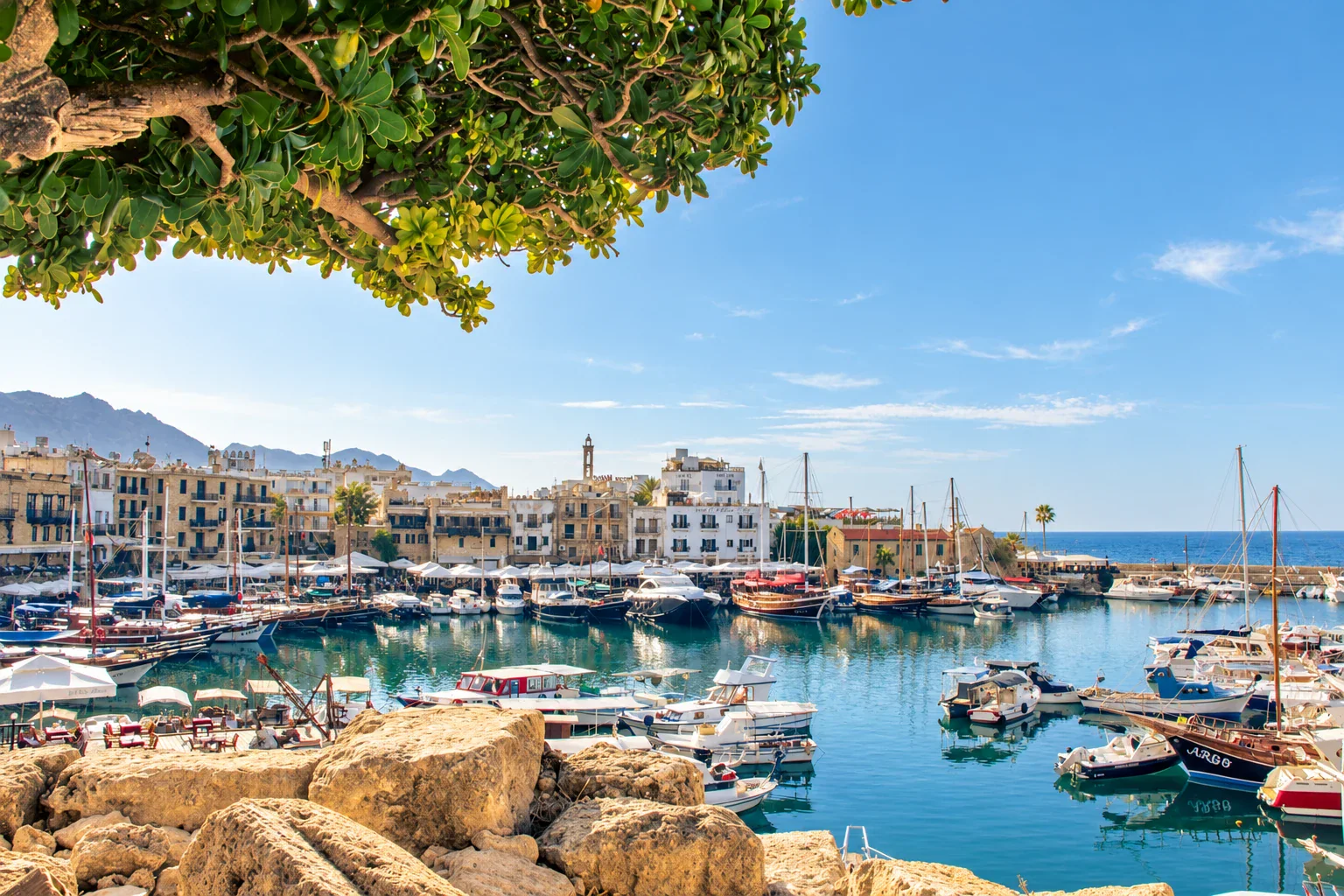
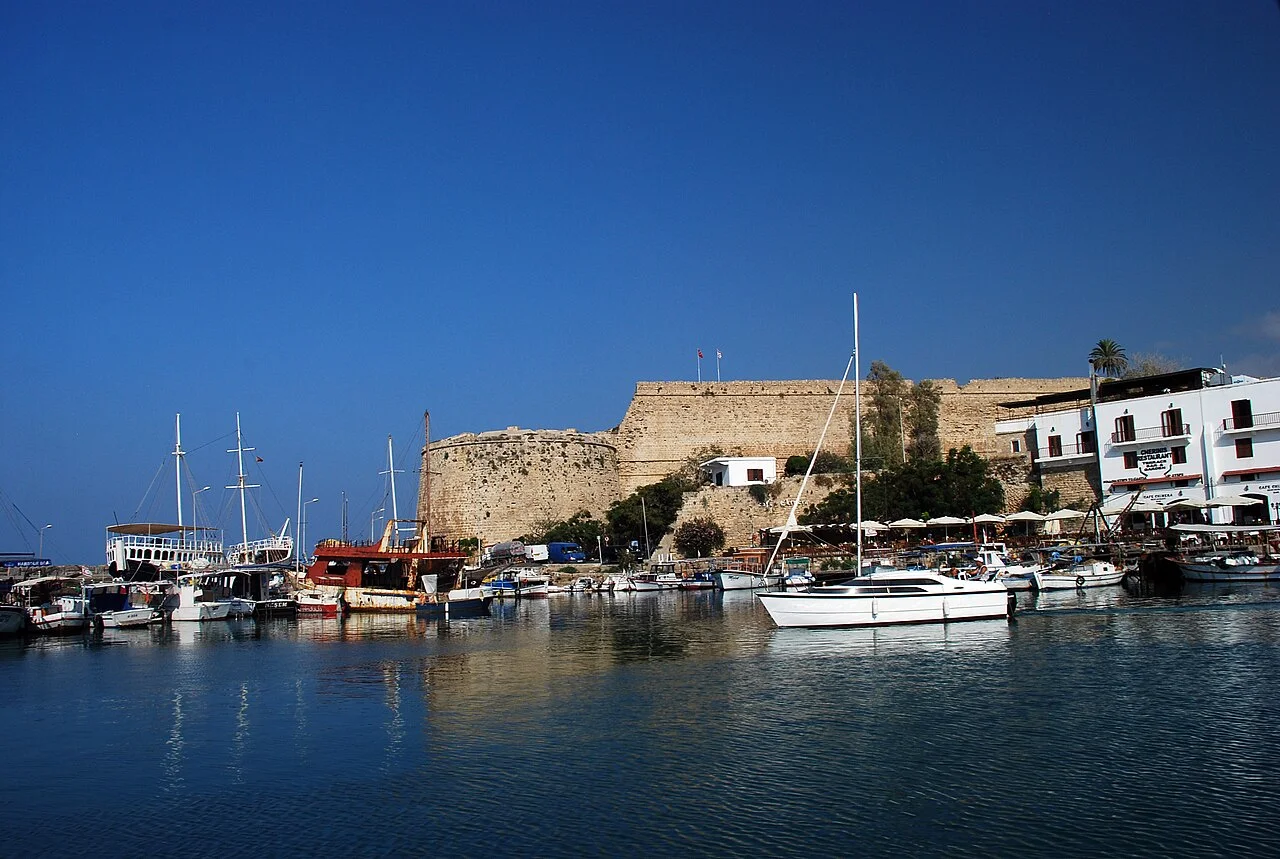
Kyrenia Castle and the Shipwreck Museum inside it make a cultural stop that can be combined with the historic harbour. If the ship interests your child, make the museum your main aim; do not feel obliged to complete every part of the castle. Check visiting conditions in the castle and museum guide before deciding.
Instead of completing the whole central route, you can choose the harbour, a short stretch of old streets and a break. At the first break, assess everyone's energy: will the next part be enjoyable, or would you only be continuing to finish the list? Add a separate destination such as Bellapais after the centre if the family feels up to it; avoid making it a promise in advance.
For pushchairs, consider more than distance
A line on the map may be short, but it does not explain steps, surfaces, slopes or road crossings. Ask your hotel and the venue whether there is a step-free route from the entrance to the visiting area. Rather than simply saying you have a pushchair, describe your needs: moving without folding it, using a lift or being dropped off close to the entrance.
Do not assume that every part of a historic building has the same access conditions. An accessible entrance does not mean that an upper floor or rampart is also accessible. If you must leave the pushchair, find out where; consider in advance whether this would require part of the group to wait separately.
Plan breaks, meals and the beach together
Do not choose somewhere to eat solely by its menu. Ask about indoor or shaded seating, toilets, high chairs and service times. Carry a small bag with daily essentials so you do not need to open a suitcase at every break. Keep time in the programme for your child and the family to rest on returning.
For a day by the sea, see the beach comparison. Do not conclude that an area is definitely safe for children from the appearance of its sand or water. The sea conditions that day, facilities, shade and showers or toilets may change your decision. At Alagadi, do not treat an ordinary beach visit and a conservation observation programme as the same activity; read their separate conditions in the relevant guide.
Plan the return and the actual arrangement inside the car first
Save the return address of your hotel and be open to ending the outing early. If rain or heat changes your day, use short alternatives for the weather conditions. Instead of waiting until your child is tired and then seeking another distant place, return to your shorter plan in the same area.
If you are considering a car, provide the numbers of adults and children, seat requirements, the pushchair's folded dimensions and the luggage together. A boot that looks large in a photograph does not prove that the arrangement will work. Choosing a car for family and luggage addresses this separate question; confirm the model and child-seat suitability when booking.